
Why You’ll Love this Authentic Indian Dal
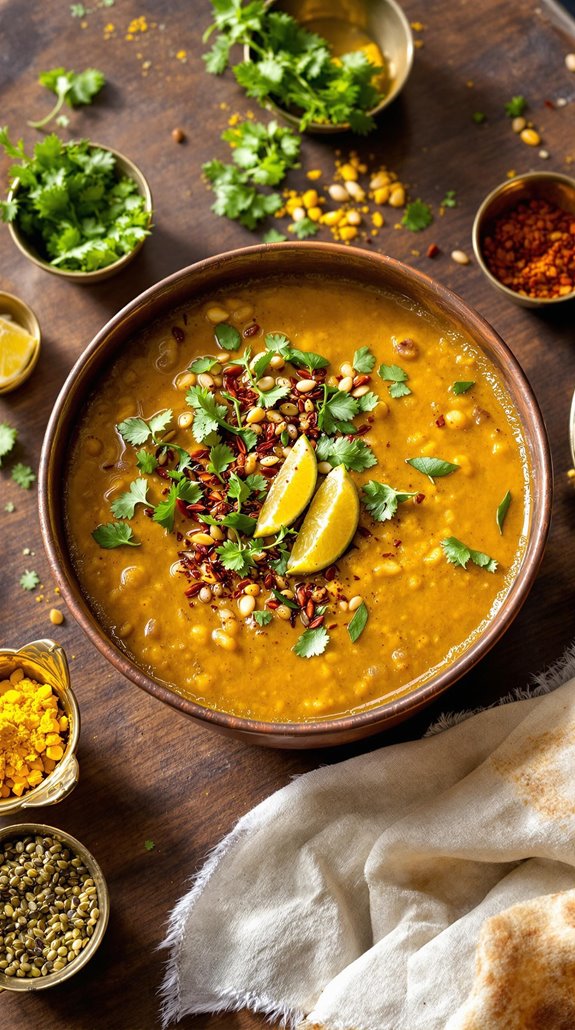
Many home cooks shy away from Indian cuisine, thinking it’s too complex or time-consuming, but this authentic dal recipe will change your mind forever. I’m telling you, this protein-packed comfort dish delivers maximum flavor with minimal effort.
What makes this dal special? It’s the perfect balance of spices—the warming turmeric, aromatic cumin, and that pinch of asafoetida that gives it that distinctive, authentic taste. The texture is divine, creamy yet with substance. Plus, it’s incredibly versatile. Need a hearty lunch? Serve it with rice. Want a lighter dinner? Pair it with naan.
Can you believe something this flavorful is also budget-friendly and healthy? Red lentils are packed with fiber and plant protein, making this dal as nutritious as it’s delicious.
What Ingredients are in Authentic Indian Dal?
Authentic Indian dal is a hearty, comforting dish that’s both nutritious and bursting with flavor. This traditional recipe combines protein-rich split red gram (also known as masoor dal) with aromatic spices and fresh ingredients to create a dish that’s a staple in Indian households.
The beauty of dal lies in its perfect balance of spices and the layering of flavors through a technique called tempering, where spices are heated in oil to release their essential oils before being added to the cooked lentils.
- 1 cup split red gram (soaked in 3 cups water for an hour)
- 1 large onion, sliced
- 1 big tomato, chopped
- 5 cloves garlic, chopped
- 1/2 inch gingerroot, peeled and minced
- 2 green chilies, deseeded and slit
- 1/4 teaspoon turmeric powder
- 1/4 teaspoon salt
- 1 1/2 tablespoons oil (divided)
- 1 pinch asafoetida powder
- 2/3 teaspoon mustard seeds
- 1/2 teaspoon cumin seeds
- 2 sprigs curry leaves
- 1 chicken or vegetable stock cube
- 1/4 teaspoon chili powder
- 1/4 teaspoon garam masala powder
- 1/4 teaspoon cumin powder
- 1/4 teaspoon coriander powder
- 3 tablespoons chopped coriander leaves (for garnish)
- 2 teaspoons lime juice
When shopping for these ingredients, try to find fresh curry leaves if possible—they add an authentic flavor that dried leaves simply can’t match. You might need to visit an Indian grocery store for items like asafoetida powder and curry leaves, but the effort is well worth it. For a vegetarian version, simply opt for the vegetable stock cube instead of chicken. And remember, the quality of your spices makes a huge difference in the final taste, so consider investing in fresh, good-quality spices that will elevate your dal to restaurant-level deliciousness.
How to Make this Authentic Indian Dal
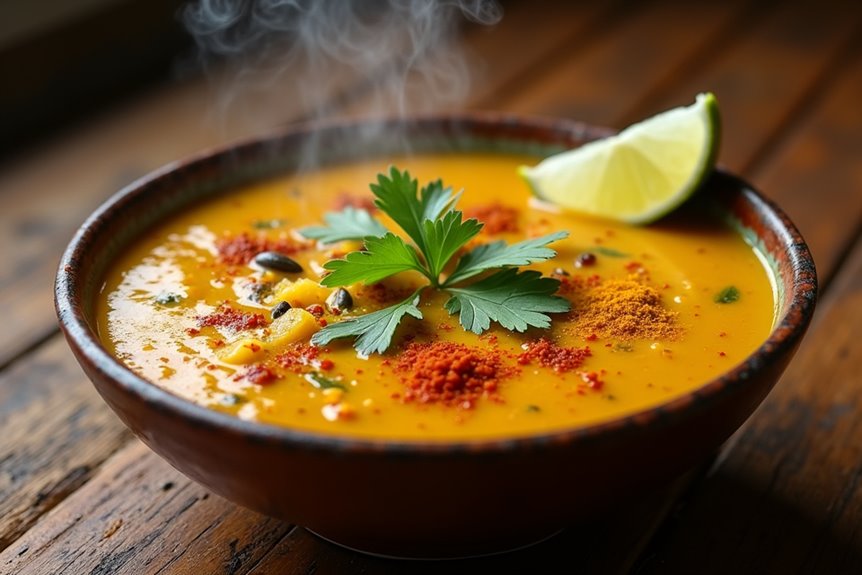
To begin making this flavorful dal, start by washing 1 cup of split red gram and soaking it in 3 cups of water for an hour. This soaking time is pivotal for achieving that perfect texture. Once soaked, transfer the dal along with its soaking water into a cooking vessel or pressure cooker. Add 1 sliced onion, 1 big chopped tomato, 3 chopped garlic cloves, and 1/2 inch of minced ginger to build your flavor base. For that signature heat, include 2 deseeded and slit green chilies, along with 1/4 teaspoon of turmeric powder and 1/4 teaspoon of salt. A small drizzle of 1/2 teaspoon oil completes this first stage. Cook until the dal is tender—in a pressure cooker, this typically takes just one whistle.
While the dal is cooking, prepare for the tempering process, which really elevates this dish from good to magnificent. Heat 1 tablespoon of oil in a separate pan and add a pinch of asafoetida powder (trust me, this seemingly insignificant ingredient works magic). Throw in 2/3 teaspoon of mustard seeds and listen for that delightful popping sound, which indicates they’re releasing their essential oils. Add 1/2 teaspoon of cumin seeds and 2 sprigs of curry leaves, which will sizzle and become aromatic. Next, incorporate 1/2 an onion (sliced), 2 minced garlic cloves, and 1 small chopped tomato to create a rich base. For the most authentic flavor, grind your spices fresh using an Indian spice grinder set that preserves the aromatic oils essential to traditional cooking. Season with 1/4 teaspoon each of chili powder, garam masala, cumin powder, and coriander powder. This tempering mixture gets stirred into the cooked dal, creating layers of complex flavors that dance on your palate. Finish with a fresh garnish of 3 tablespoons of chopped coriander leaves and 2 teaspoons of lime juice for that perfect tangy finish.
Authentic Indian Dal Substitutions and Variations
While traditional dal recipes call for specific ingredients, you’ll be happy to know that this versatile dish welcomes adaptations based on what’s in your pantry. Can’t find red gram (toor dal)? Yellow split peas or masoor dal work beautifully as substitutes. The spice profile is infinitely customizable, too—dial the heat up or down by adjusting the green chilies.
For a richer version, try swapping water with coconut milk, or add a dollop of cream at the end. Vegetarians can skip the chicken stock cube for vegetable stock, obviously. My favorite variation includes adding a handful of spinach during the final simmer, which wilts perfectly into the creamy mixture. And for a protein boost? A few cubes of paneer or tofu make this humble dish even more substantial.
What to Serve with Authentic Indian Dal
Now that we’ve explored the wonderful world of dal variations, let’s talk about the supporting cast that makes this dish truly shine on your dinner table. Dal begs for the company of freshly made basmati rice or warm, pillowy naan bread – perfect for soaking up all that flavorful goodness. Can you imagine a better vehicle for delivering that spicy, creamy lentil mixture to your mouth?
For a complete Indian feast, I love pairing dal with a simple cucumber raita (that cooling yogurt side dish), some pickled vegetables for tang, and perhaps a vegetable curry if I’m feeling ambitious. A sprinkle of crispy papadums on the side adds that satisfying crunch that contrasts beautifully with the soft textures of the dal. Trust me, your taste buds will thank you.
Final Thoughts
Simplicity lies at the heart of authentic Indian dal, a dish that proves you don’t need complicated techniques or rare ingredients to create something truly extraordinary. The humble legume, transformed by a handful of spices and the magic of a tadka, becomes comfort in a bowl—warm, nourishing, and deeply satisfying.
I’m convinced that dal represents Indian cooking at its most authentic and accessible level. Haven’t we all craved something that feels like a hug from the inside? Dal is that dish. Perfect for beginners yet endlessly customizable for experienced cooks, it’s the kind of recipe you’ll return to again and again. And isn’t that the true mark of a great recipe? Not just that it tastes delicious the first time, but that it becomes part of your culinary vocabulary, ready to comfort whenever needed.