Why You’ll Love this Spanish Paella
Every home cook needs a showstopper recipe in their arsenal, and this Spanish paella absolutely delivers. This vibrant one-pan wonder transforms simple ingredients into a feast that’ll have everyone asking for seconds.
What makes paella so special? It’s the perfect blend of convenience and impressive presentation. The combination of tender chicken, savory pork, plump shrimp, and colorful vegetables creates a dish that’s as beautiful as it’s delicious. The aromatic spices—paprika, turmeric, and oregano—infuse the rice with incredible depth of flavor.
I love how this recipe simplifies an intimidating classic without sacrificing authenticity. Can you believe something this gorgeous comes together with just basic cooking skills? The crispy bottom layer of rice (called socarrat) becomes your signature finishing touch.
What Ingredients are in Spanish Paella?
Spanish paella is a vibrant, flavorful dish that brings the essence of Spain right to your dinner table. This iconic rice dish combines protein, vegetables, and aromatic spices in a perfect harmony that makes it both satisfying and impressive. The ingredient list might look long at first glance, but don’t let that intimidate you—each component plays an important role in building those authentic Spanish flavors.
The ingredient list includes:
- 4 tablespoons olive oil
- 1 tablespoon garlic (or more to taste)
- 3/4-1 pound chicken breast, cut into large bite-sized pieces
- 3/4-1 pound pork or ham, diced into large bite-sized pieces
- 3/4-1 pound frozen cooked shrimp
- 1 large Spanish onion, diced
- 1 red bell pepper, diced into large bite sizes
- 3-4 Roma tomatoes, chopped into large bite sizes
- 2 cups uncooked short grain rice
- 1 quart chicken stock (or chicken broth as substitute)
- 1 cup frozen green peas
- 2 teaspoons oregano
- 1 pinch turmeric or saffron
- 2 lemons, zested (or 2 teaspoons dried lemon peel)
- 1 tablespoon paprika (Hungarian smoked preferred)
- 1 teaspoon crushed red pepper flakes
- 1 bay leaf
- 1/2 bunch fresh Italian parsley, chopped (or 1 tablespoon dried)
- Salt and pepper to taste
When shopping for these ingredients, keep in mind a few important tips. For the most authentic flavor, try to find Spanish short-grain rice like Bomba or Calasparra, though any short-grain variety will work in a pinch. While the recipe calls for chicken breast, pork/ham and shrimp, traditional paella often includes other seafood like mussels or clams—feel free to customize based on your preferences or what’s available. And if you can spring for real saffron instead of turmeric, your paella will have that distinctive golden color and subtle flavor that makes the dish truly special, though turmeric makes a budget-friendly alternative.
How to Make this Spanish Paella

To prepare this vibrant Spanish paella, start by heating 4 tablespoons of olive oil in a large, deep skillet or paella pan over medium heat. Add 1 tablespoon of garlic (or more if you’re a garlic lover like me) and sauté until fragrant.
Next, add your 3/4-1 pound of chicken breast pieces and cook until they begin to brown. Toss in the diced Spanish onion and red bell pepper, cooking until the vegetables soften and develop those lovely caramelized edges.
Now for the heart of the dish—add 2 cups of uncooked short grain rice and stir to coat with oil. This is where the magic happens, folks. Sprinkle in 2 teaspoons of oregano, a pinch of turmeric (or saffron if you’re feeling fancy), the zest of 2 lemons, 1 tablespoon of paprika (Hungarian smoked gives the best flavor), 1 teaspoon of red pepper flakes, and that essential bay leaf.
Pour in your quart of chicken stock, add the diced pork or ham, and bring everything to a gentle boil. Once boiling, reduce to a simmer and add those chopped Roma tomatoes. Cover and let cook for about 15-20 minutes, or until the rice has absorbed most of the liquid.
In the final few minutes of cooking, gently fold in 1 cup of frozen green peas, 1/2 bunch of chopped fresh Italian parsley, and your thawed shrimp. For the most authentic results, invest in traditional Mediterranean cooking equipment to enhance both flavor development and presentation. Season with salt and pepper to taste, and allow the residual heat to warm through the shrimp. The result? A colorful, aromatic paella that brings a taste of Spain right to your dining table.
Spanish Paella Substitutions and Variations
Making paella your own is part of the joy of this versatile Spanish classic. Don’t have saffron? Turmeric works beautifully for that golden color, though the flavor will be slightly different. The protein options are truly endless—swap chicken for turkey, use chorizo instead of ham, or go fully seafood with mussels and clams joining the shrimp.
Vegetarians can skip the meat entirely and load up on artichoke hearts, mushrooms, and roasted red peppers. Rice alternatives? While traditional short grain is ideal, I’ve seen perfectly respectable paellas made with arborio or even brown rice for a nuttier profile.
Can’t find smoked paprika? Regular will do in a pinch, but you’ll miss that distinctive smokiness that transforms the dish. And remember, frozen peas can become edamame or fresh green beans—your kitchen, your rules.
What to Serve with Spanish Paella
A complete paella dinner experience calls for thoughtful accompaniments that complement rather than compete with your colorful rice masterpiece. I’m a firm believer in starting with a light Spanish tapas plate—perhaps some marinated olives, Manchego cheese, and thin slices of jamón serrano.
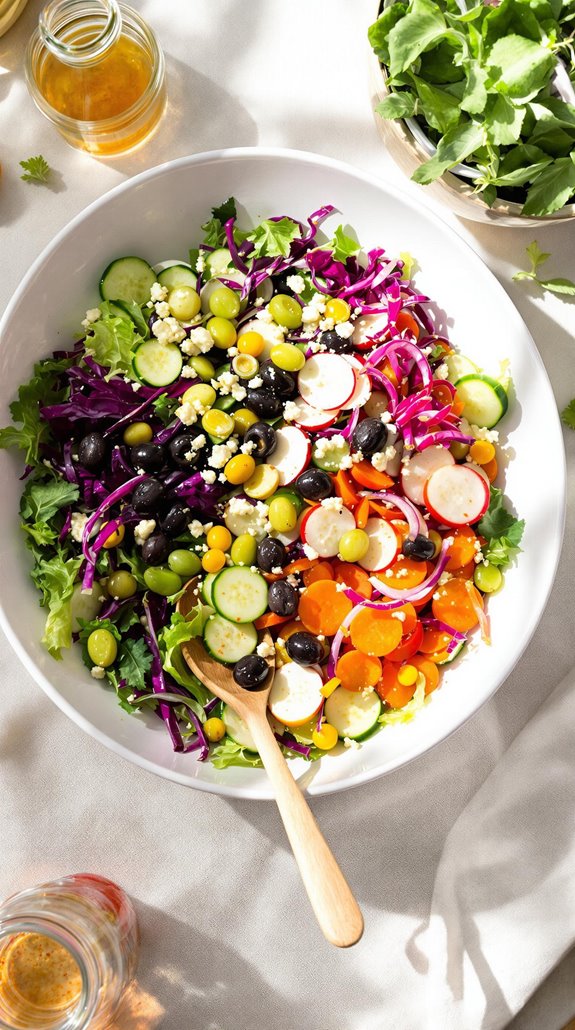
For beverages, nothing beats a chilled Spanish Albariño or sangria, their crisp notes cutting through the richness of the paella. A simple green salad dressed with sherry vinegar and olive oil makes the perfect side, adding freshness to each bite.
And for dessert? Keep it authentically Spanish with flan or churros dipped in chocolate sauce. Trust me, your guests won’t even need to visit Barcelona to feel like they’re dining on the Mediterranean coast. The contrast of temperatures and textures creates balance in every mouthful.
Final Thoughts
While I’ve shared all the technical details of this Spanish paella recipe, the true secret lies in the experience itself—the sizzle of that sofrito, the vibrant colors dancing in your pan, and the way conversation flows around your table as the dish comes together.
Remember, paella isn’t just food; it’s a celebration, a moment to slow down. Can you think of a better way to gather loved ones than around a steaming pan of fragrant rice, tender chicken, and perfectly cooked shrimp? The beauty of paella is its flexibility—swap proteins based on preferences, adjust the spice level, make it your own.
What matters most is the spirit of the dish: generous, communal, and utterly satisfying. So pour a glass of Spanish wine, and let the magic happen.